ADVERTISEMENT
Health Benefits of Soaking in Natural Hot Springs
Hot springs are found in many parts of the world. These are natural pools where hot water comes up from the ground. Many people visit these places to relax. But soaking in natural hot springs may also give health benefits, not just pleasure.
Easing Joint and Muscle Pain
Soaking in hot spring water may help the body feel better. Warm water makes muscles relax. This can help people with sore backs, stiff joints, or tight muscles feel less pain. It also helps people with problems like arthritis, where the joints hurt often.
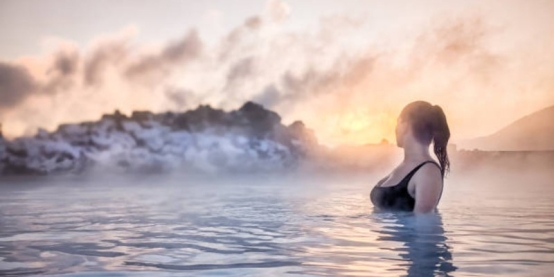
The minerals in the water may also help. Many hot springs have sulfur, calcium, magnesium, and potassium. These minerals may go into the skin while soaking. Some doctors believe these minerals can help the body heal small pains faster and calm swelling.
In some spa centers, this is called balneotherapy. This is a treatment where people use natural hot spring water to feel better. It’s not a cure for serious diseases, but it may be helpful for pain that comes from stress, work, or injury. Medical experts have studied how warm water therapy can help reduce body aches in some patients.
Improving Blood Flow
When people sit in warm water, their blood vessels become wider. This lets more blood flow to the skin and muscles. That may help carry more oxygen to the body. Good blood flow also helps the heart work better and may lower high blood pressure over time.
Soaking in hot springs is not the same as hard exercise, but it gives a similar effect on blood movement. People who sit in hot water for 10–15 minutes may feel lighter and less tired afterward.
Many doctors say that better blood flow helps the body in many ways. It may lower the risk of heart problems, improve skin health, and help wounds heal faster. People with circulation problems might enjoy short dips in hot springs as part of a wellness plan. Health organizations also mention that warm water bathing may help improve cardiovascular function.
Helping the Skin Stay Healthy
Some hot springs are known for their effects on skin. The minerals in the water may help treat dry skin, rashes, and small skin wounds. Sulfur-rich hot springs, in particular, may fight some skin problems caused by bacteria or fungus.
People with skin conditions like eczema or psoriasis may find some relief after soaking in natural hot springs. The warm water may reduce redness and itching, though this depends on the person’s skin and the type of minerals in the spring.
The heat also opens skin pores. This helps remove dirt and oil, making the skin feel clean and fresh. Still, not all hot springs are good for the skin. Some have high sulfur or salt, which may cause dry skin for some people. That’s why people should rinse off after soaking.
Supporting Mental Wellness
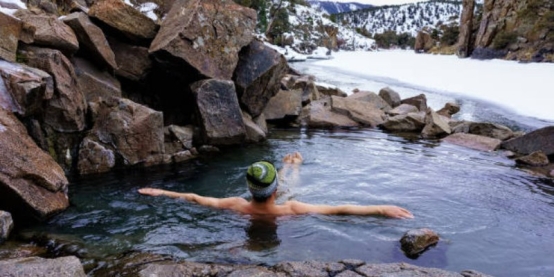
Spending time in nature already helps the mind. Now, add warm water and quiet time, and it becomes even better. People often feel less stress after sitting in hot springs. This happens because the warm water helps the body release endorphins, which are chemicals that reduce pain and make people feel calm.
Sitting in hot springs is also a quiet time with fewer distractions. This helps people reflect, breathe better, and sleep more deeply afterward. People with anxiety or mild depression may find that a short trip to a natural hot spring makes them feel more rested and focused.
Even without medical treatment, just sitting in warm, clean water in a peaceful place has been shown to support better sleep and reduce stress levels. Studies show that warm water bathing before bedtime helps improve the quality of sleep.
Boosting Immune Response
A well-rested body with good blood flow and less stress often means a stronger immune system. Hot springs may support the body’s natural way of fighting off sickness. The minerals from the springs can also be helpful in keeping cells healthy.
Some people believe that going to hot springs often keeps them from falling sick too easily. While this may not work the same for everyone, a relaxed body is better able to recover and stay strong against infections. The warm water also raises the body temperature slightly, which may help kill some germs on the skin.
Still, hot springs should not be seen as a replacement for real medical care. People with weak immune systems or serious illnesses must talk to a doctor before soaking.
Helping Digestion and Metabolism
Drinking small amounts of mineral-rich water is common in some places. While this is not safe in every hot spring, in a few known ones with clean water, it’s allowed under proper care.
Even soaking may help the digestive system work better. When the body is relaxed, the stomach and intestines can do their job more easily. Stress and worry often stop the body from digesting food well. That’s why people who visit hot springs sometimes say they feel lighter and less bloated.
Some springs contain magnesium, which helps with bowel movement. Others have calcium or bicarbonates, which may help neutralize stomach acid. But again, not all springs are safe for this kind of use, so people must be careful.
Safety Tips for Visiting Natural Hot Springs
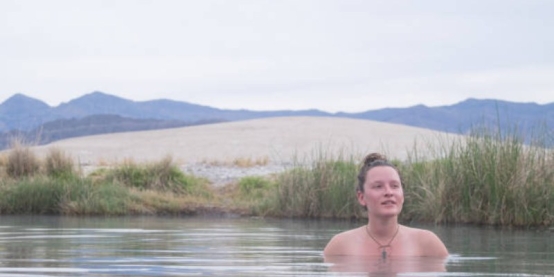
Hot springs may offer many benefits, but people must stay safe. The water in some springs is very hot and may burn the skin. Others may have bacteria if not properly cleaned or if too many people use them at once.
Here are a few safety tips to follow:
Do not stay in hot water for too long. Around 15–20 minutes is usually enough.
Drink water to stay hydrated before and after soaking.
Do not soak if you have open wounds or infections.
Pregnant women or people with heart problems should ask a doctor first.
Avoid natural springs that smell too strong or look dirty.
Also, never enter private springs or springs marked as unsafe. Some wild hot springs are not meant for use because of high sulfur or unstable ground.
Can Hot Springs Replace Exercise or Medicine?
Hot springs feel good and may help some health problems, but they are not a cure. They can help reduce stress and pain, but they cannot fix deep medical issues. People still need to eat well, move their bodies, and see a doctor when needed.
Using hot springs should be one part of a full healthy lifestyle, not the only part. It can add to other things like walking, resting well, eating healthy food, and staying away from harmful habits.
Choosing the Right Hot Spring
Not all hot springs are the same. Some are better for relaxing. Others are known for skin care. Some are rich in sulfur, and others have calcium or iron. When choosing a place to visit, people should read about the water type and its effects.
Springs near mountains or forests may offer better air and views, which also help the mind rest. It’s also good to find a place with clean surroundings and trusted service.