ADVERTISEMENT
Tips for Kayaking on Calm Waters like a Pro
Some people think kayaking on calm waters is always easy. They believe that just because the water is flat, they can do anything and still stay safe. That mindset is risky. If you want to kayak like a pro, there are rules to follow and bad habits to drop. The tips below are not for show. They are for people who want to avoid mistakes that lead to shame or trouble.
Learn to Read the Water Before Entering
Before even stepping into the kayak, study the water. Is it truly calm or just pretending to be? Some lakes or bays look peaceful, but under the surface, there may be currents that pull or push. Watch the ripples. Check the weather. A little wind can grow into something worse. Also, check for boat traffic. Other watercraft, even small ones, can cause waves that flip your kayak or throw you off balance.
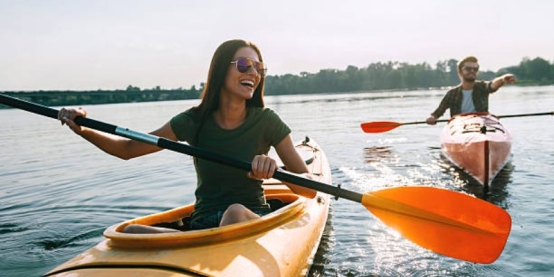
Never ignore posted signs or rules around the water body. These signs are not decorations. They carry safety warnings, speed limits, and other important details. Real pros respect every rule because they know what can go wrong.
For safe water condition updates in your area, use trusted weather sources like the National Oceanic and Atmospheric Administration.
Choose the Right Kayak and Gear
Not all kayaks are made for the same purpose. Sit-on-top kayaks are good for warm weather and beginners. Sit-in kayaks are better for cooler areas and people who want more control. If you pick the wrong type, you will struggle with speed, balance, and comfort. Even on flat water, the wrong kayak can slow you down.
Next is your paddle. It must match your height and the width of your kayak. If your paddle is too short, your strokes will be weak. If it is too long, you will splash more than you move.
Wear a life jacket. Not because you can’t swim, but because anything can happen. Even pros wear one every time. If you get tired, hit your head, or your kayak flips, your jacket keeps you alive. Choose a jacket that fits your chest well and does not move around when you paddle.
Make sure your kayak has a dry bag, water bottle, phone case, and whistle. These are not accessories.
Stop Paddling Like You Are Fighting the Water
Amateurs fight the water. Pros glide through it. Strong paddling does not mean fast paddling. Your movement should be smooth and quiet. Good technique starts with posture. Sit upright. Let your feet press firmly on the foot pegs. Keep your hands relaxed on the paddle and let your torso do most of the turning.
Use short, even strokes. Don’t slap the water. Dip your blade in at your toes and pull it out near your hips. That’s it. No splashing. No overreaching. Don’t try to impress people with noise. Impress them with how little water you waste.
If you don’t train your body to move right, you will get tired quickly and go nowhere fast. For those who want to build better technique, American Canoe Association has certified training materials and events.
Respect Distance and Time on the Water
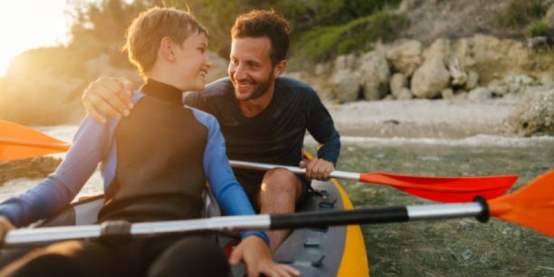
Don’t act like the water is your backyard. Give other kayakers space. Maintain at least 10 feet between your kayak and others unless you are helping someone in need. Crowding leads to collisions, and even one wrong bump can ruin the whole experience.
Also, manage your time. Don’t get on the water an hour before sunset if you don’t have proper lights. Darkness comes fast on the water, and many people overestimate how long a short paddle will take. Start early and track your route. If you plan to be out for one hour, aim to be back in 45 minutes.
Always tell someone where you are kayaking and for how long. If something goes wrong, they need to know where to look. Pros do this without fail. It’s not fear. It’s wisdom.
Know How to Fall and Get Back In
Most people think that falling into calm water is not a big deal. But water gets cold. Muscles tighten. Breathing can change. That’s why knowing how to re-enter your kayak is not optional. Learn the basic wet exit and re-entry techniques. Practice them often.
There’s no pride in yelling for help when you could have trained for the situation. A true pro can flip back in less than two minutes. If your kayak is the sit-on-top type, you pull yourself up from the side and swing your legs over. If it’s a sit-in kayak, you may need a paddle float or assist from a friend.
Falling is not failure. It’s poor response after the fall that causes trouble.
Cut the Noise and Distractions
Calm water calls for calm minds. Kayaking is not a concert or party. Leave the loud music and phone scrolling for later. You need to listen to the water, wind, and maybe even warnings from others nearby. A distracted kayaker becomes a danger, not just to themselves but to others too.
If you like to take photos, keep the camera in a dry bag. Snap your shots quickly and get back to proper handling. Don’t take selfies in tight spots or while drifting. It’s not worth tipping over.

Watch What You Wear
What you wear affects how you move and stay safe. Avoid cotton. It holds water and stays cold. Wear quick-dry fabrics that help you stay light. Shoes should have grip. No sandals that slip off. Go for water shoes or closed sandals that stay on during movement or falls.
If it’s sunny, wear long sleeves, hats, and sunglasses with straps. Sunscreen matters too. Just because the water looks cool doesn’t mean you can’t get sunburned. And sunburn on the water is worse than on land—it sneaks up on you when you're distracted.
Hydrate and Fuel the Right Way
Kayaking burns energy. Even on calm waters, your body works. Keep water in easy reach. Don’t drink sugary soda or energy drinks that crash your system. Clean water or electrolyte mixes are better.
Carry simple snacks like fruits, nuts, or bars. No heavy meals. Greasy food makes you sluggish, and feeling tired on water is dangerous. Avoid alcohol. Even a little can mess with your focus and slow your reaction time.
Stop Thinking Calm Means Weak
People say calm water is safe water. That’s only true when paired with smart habits. Calm can switch to chaos in seconds if people act carelessly. Respect every stretch of water you enter, no matter how flat or slow it looks.
It takes nothing for a strong breeze, an engine boat, or bad decision to change the course of your trip. Even calm waters hide rocks, weeds, and animals. Stop calling it harmless. Treat it like the wild space it is, and you’ll stay ahead of problems.