ADVERTISEMENT
Is a Camel Riding Tour Worth It? Here’s What to Expect
Camel riding tours are popular in many desert areas around the world. They are common in places like Dubai, Morocco, Egypt, and even parts of India. Some people say it is a once-in-a-lifetime experience. Others say it is not as exciting as they hoped. So, is a camel riding tour really worth it? That depends on what you expect and how prepared you are.
Not Your Usual Ride
Camel riding is not like riding a horse, an elephant, or a bicycle. Camels move slowly and sway from side to side. This motion can feel strange at first. If a person is not used to riding animals, it can be hard to stay balanced.
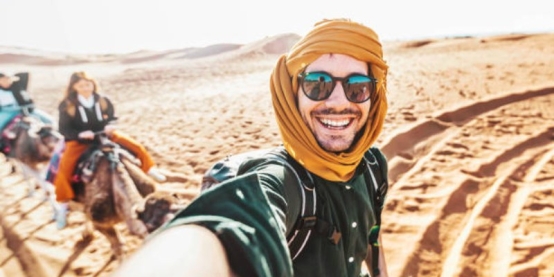
Getting on and off a camel is also different. A camel stands up and sits down in three parts—front legs, back legs, and then stands fully. When it stands up, it can feel like being on a rocking boat. Riders must hold on tightly and listen to the guide’s instructions. Not doing so can lead to falls or injury.
In desert heat, riding for more than 30 minutes can be tiring. Some tours last 10 to 15 minutes. Others go up to two hours. If someone has back pain or joint problems, long rides can be uncomfortable.
Camels Are Not Fluffy Pets
Many camels used in these tours are working animals. That means they are used to carrying people every day. Still, they are not soft and gentle creatures. Some camels may grunt, groan, or even spit. A person should never try to feed or touch a camel without the guide’s permission. They can get angry fast, especially in the heat.
Also, not all tour companies treat camels the same. Some provide enough food, water, and rest for the animals. Others do not. Picking a company that follows good animal care rules is important.
If you care about animals, look for tours that are clear about how they treat camels. Ask questions. A simple online search of a company’s reviews can reveal a lot.
Expect Sand, Heat, and Simple Comforts
Desert weather is no joke. During the day, the sun is strong. At night, it can get cold fast. Riders must wear light clothes during the day, but also carry a scarf or jacket for the cold. Sunscreen, sunglasses, and a hat are not optional. They are must-haves.
Camel saddles are not soft. Many tours use simple seats made of wood, leather, or cloth. If you expect padded comfort, you will be surprised. Some people even carry a small cushion for extra comfort.
Water is very important. Even if the ride is short, staying hydrated is key. Most tour guides will advise visitors to bring a reusable bottle. Some longer tours include stops for tea, snacks, or a local meal. These extras may sound fun, but do not expect five-star service. This is the desert, not a resort.
Prices Can Vary, But So Can Safety
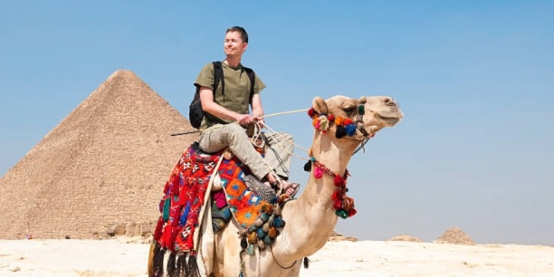
Camel tour prices depend on the location, length of the ride, and package type. Some budget options start from $10 to $20 per person for a short ride. Longer or private tours can cost $100 or more. Some include transport, food, or desert shows.
However, cheap prices sometimes mean cheap safety. A good tour company should provide helmets, give clear safety rules, and offer trained guides. Sadly, not all do. Look for licensed providers or ones with strong reviews. Tripadvisor’s travel community is one place where past guests leave reviews that can help.
Do not just go with the lowest price. Saving a few dollars is not worth putting your health at risk.
Not for Everyone
Some people will enjoy camel rides. Others will not. Children may get scared. Elderly people or those with weak knees may find it painful. Those afraid of animals or heights may feel anxious.
It is okay to skip it if it doesn’t feel right. There are many ways to see the desert. A 4x4 jeep tour, walking tour, or even quad biking can be better for some people.
It’s also important to check travel insurance. Some policies do not cover animal rides or desert activities. Always ask your insurance provider first. The U.S. Department of State recommends checking local laws and safety measures before joining any desert tour.
What Tour Guides Won’t Always Tell You
Many brochures show pictures of people smiling on camels with the sunset behind them. What they don’t always show is the waiting time before the ride. Or how camels may poop, groan, or even lie down in the middle of the path.
Some areas have many tourists. This means standing in line, rushed rides, and less personal attention. Also, photos may cost extra. Some guides may offer to take a photo and later ask for a tip or a payment. Ask in advance if photos are free or not.
Also, tourists should not wear perfume or strong scents. It can bother camels and attract insects.
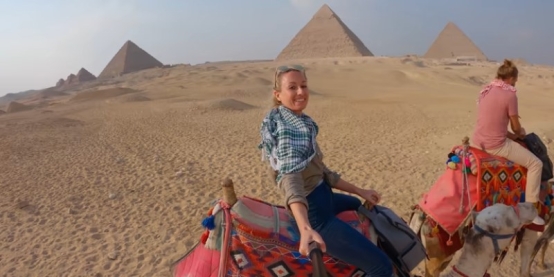
Is the Experience Worth It?
For some people, yes. It can be fun to ride a camel across sand dunes and take photos with the sunset in the background. It gives a feeling of history, like traveling back in time. Camels have been used for transport in the desert for over 3,000 years. They are called “ships of the desert” for a reason.
But the ride is not magic for everyone. Some people get bored quickly. Others get sore. The heat, dust, and strong smells may ruin the mood.
It’s worth it only if the person understands what the experience truly offers: a slow, bumpy, hot, and dusty ride. If that sounds okay, then it might be a good activity. But if comfort, speed, and cool weather are top needs, it is better to pass.
Other Things to Keep in Mind
Tour times are better early in the morning or late afternoon. Midday heat can be dangerous.
Follow the guide’s rules. They know the camels and the desert better than anyone.
Always ask for the company’s emergency plan. Know what will happen if someone gets sick or falls.
Do not overpack. Just bring the basics: water, a scarf, sunscreen, ID, and a camera.
Book ahead, especially during travel seasons. Some tours fill up fast.
Choosing Right Makes a Big Difference
The camel ride itself is just one part. The company, guide, camel care, weather, and personal health all affect how the experience turns out. Take time to plan. Read reviews. Ask questions. Set your expectations low, and anything above that will be a bonus.
For many people, the highlight is not the ride, but what comes after—a quiet moment in the desert, a shared meal, or watching the stars far from the noise of the city. That alone can make the trip worth it.