ADVERTISEMENT
Top Snorkeling Spots for Clear Waters and Marine Life
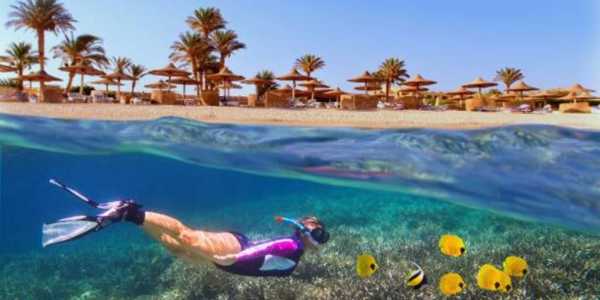
Snorkeling is not just a fun way to pass time. It can show people the beauty of nature that lives under the sea. But it only works if the water is clear and full of marine life. Not every beach or island offers this. Below are top snorkeling places around the world that offer clear views and rich marine life. These spots are not listed just to sound good. They have proven to be great for real reasons.
Hanauma Bay, Oahu, Hawaii
Hanauma Bay was formed in a volcanic cone and is now a protected marine area. The waters are usually calm, and the fish are plenty. Over 400 species of fish have been seen here. The most famous one is the Humuhumunukunukuāpuaʻa, which is the state fish of Hawaii.
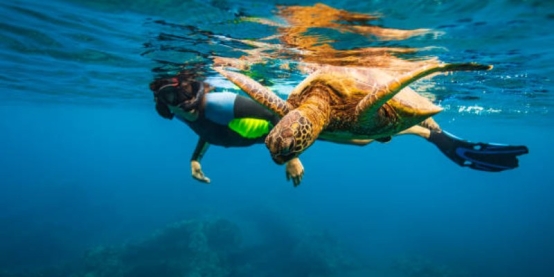
People cannot feed the fish here, and there are rules to follow. The bay is closed on certain days to help sea life recover. This is not a place where tourists can just do what they like. It is a place for learning, watching, and protecting.
Visitors must watch an educational video before entering. This is to teach about safe and respectful snorkeling. According to the Hawai'i Department of Land and Natural Resources, this has helped reduce damage caused by human traffic.
Great Barrier Reef, Australia
The Great Barrier Reef is the largest coral reef system in the world. It is so big it can be seen from space. It has over 2,900 individual reefs and 900 islands. This spot is rich in marine life like sea turtles, manta rays, and clownfish.
But this reef is also in danger. Parts of it have been hurt by warming seas and coral bleaching. People who snorkel here are expected to follow rules. They should not touch the coral or chase sea creatures.
Many tour companies in the area follow eco-friendly rules and teach visitors how to keep the reef safe. The reef is under the care of the Great Barrier Reef Marine Park Authority, which gives updates and guidance on how to visit safely.
Raja Ampat, Indonesia
Raja Ampat is in West Papua. It is made up of many islands and is part of the Coral Triangle. This area has more types of coral and reef fish than anywhere else on Earth. The water is crystal clear, and the reefs are healthy.
Raja Ampat is not a crowded place. Getting there takes effort, and it costs more than other places. But those who make the trip are often surprised by what they see. Big schools of fish, bright corals, sea turtles, and even reef sharks can be seen here.
Because this spot is far and fragile, visitors are expected to follow strict rules. The local government has set up a system where visitors pay a fee that goes into marine protection and village support.
According to the Coral Triangle Initiative, Raja Ampat plays a big role in keeping the region’s sea life safe and is one of the top protected marine areas in the world.
Maldives
The Maldives is made up of more than 1,000 small islands. These islands are spread across the Indian Ocean and offer calm, warm waters all year round. Many of the country’s resorts have snorkeling spots right off their beaches.
Common marine life here includes reef sharks, moray eels, sea turtles, and colorful schools of fish. The coral is also full of bright colors, making it a great spot for underwater photos.
The Maldives government works with environmental groups to watch coral bleaching and protect the reefs. In fact, certain parts of the country are known for using reef-safe sunscreen and keeping boat traffic low to protect marine habitats.
Belize Barrier Reef, Belize
The Belize Barrier Reef is the second-largest coral reef system after the Great Barrier Reef. It runs along the coast of Belize and includes famous snorkeling sites like Hol Chan Marine Reserve and Shark Ray Alley.
These places are well-known for their variety of marine life. People can see nurse sharks, stingrays, sea turtles, and many types of fish. The water is shallow and clear, which makes it good even for beginners.
The reef is protected under law, and fishing in many areas is not allowed. The Belize Tourism Board gives regular updates on weather, reef safety, and responsible snorkeling tips.
Silfra Fissure, Iceland
Silfra is not warm or tropical. But it is special. It is the only place in the world where people can snorkel between two tectonic plates—the North American and Eurasian plates. The water is from melting glaciers and is so clear that you can see more than 100 meters deep.
Snorkeling here is cold and requires a dry suit. But for those who can handle the chill, it is a once-in-a-lifetime experience. There are not many fish, but the feeling of floating between two continents is worth the trip.
Silfra is located inside Þingvellir National Park and is managed carefully. Groups are kept small, and guides are trained in safety and conservation.
Galápagos Islands, Ecuador
The Galápagos Islands are famous for rare animals and plants. The marine life here is also special. Sea lions, marine iguanas, penguins, and many types of fish swim in these waters.
Most tours in the Galápagos include snorkeling stops. The water can be cold, but the experience is full of life. These islands are where Charles Darwin got ideas that led to the theory of evolution. So every visit here should be treated with care and respect.
What to Keep in Mind
Snorkeling in clear waters is not just about beauty. It is also about safety and care. People must use reef-safe sunscreen, stay away from coral, and never feed fish or chase sea animals. Many places now have fines or bans for people who break the rules.
Snorkeling gear must fit well. Poor gear can turn a good trip into a bad one. It is also wise to check local weather and water current reports before heading out. Even the best spots can become dangerous if nature acts up.