ADVERTISEMENT
Why Sailing in Greece Is a Must for Your Travel Bucket List
Many people want a vacation that feels peaceful but not boring. That balance is not always easy to find. Greece offers it. Sailing in Greece is not just about sitting on a boat and watching waves. It is about exploring quiet islands, eating fresh food, and seeing history in real time.
Greece has over 6,000 islands and islets, but only about 200 are inhabited. This means a sailing trip can take travelers to places that are peaceful, untouched, and far from noisy crowds. Whether it is the blue domes of Santorini or the green hills of Lefkada, each place tells a different story.
But let’s be clear—this is not just about snapping pretty pictures. Sailing in Greece is about finding new air to breathe. The type that resets the mind without loud parties or rushed tours.
High-Value Travel Without the Rush
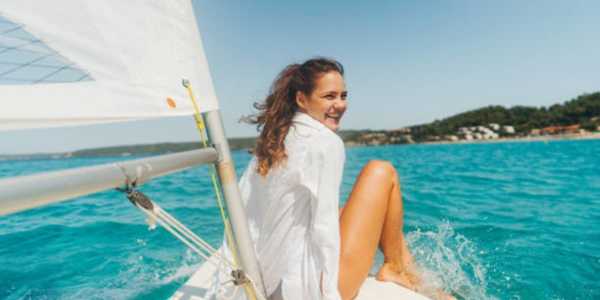
Vacations should not feel like work. But many do. People jump from one tourist site to the next, chasing pictures and trying to keep up. Sailing in Greece slows everything down. The Aegean and Ionian seas offer clear waters and soft winds. These areas are ideal even for beginners.
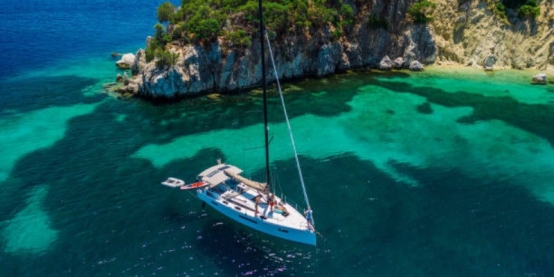
Unlike busy tourist cities where time runs out fast, sailing gives more control. A traveler can spend a whole afternoon in a quiet cove or drop anchor near a small village. Some boats even let people sleep on board. That saves hotel money while adding adventure.
This kind of travel is not cheap, but it pays off. High-value experiences matter more than overpriced hotel breakfasts. Sailing lets people enjoy top views, fresh seafood, and peaceful waters without the cost of a five-star resort.
Natural Beauty That Does Not Feel Forced
Some places try too hard to impress. They build large parks, fake lakes, or crowded beaches that look good in pictures but feel dull in person. Greece does not need to do all that. Its beauty is real.
From white cliffs in Milos to pink sunsets in Paros, the natural views come without filters or setups. And the best way to see these is by water. Sailing routes between Cyclades, Dodecanese, and the Ionian islands show this beauty in full.
Greece also has more Blue Flag beaches than most countries in Europe. These are beaches that meet high standards for cleanliness and safety. That makes sailing around Greece feel even safer and more rewarding for travelers with families or health concerns. According to the Foundation for Environmental Education, Greece had more than 500 of these beaches in 2024.
A Living Museum That Floats Around You
Many people love history but dislike museums. Sailing around Greece turns the sea into a moving history class. Think of Delos, one of the most important mythological islands in Greece. People can stop there, walk around the old ruins, and learn without standing in long museum lines.
Other places like Rhodes or Crete offer stories from the days of ancient Greece, the Roman Empire, and the Byzantine period. This makes each stop feel meaningful—not just another dot on a map.
People who want culture can also try food markets, local festivals, and old ports that still operate like they did many years ago. The feeling of stepping on land where ancient people walked is stronger when one arrives by sea.
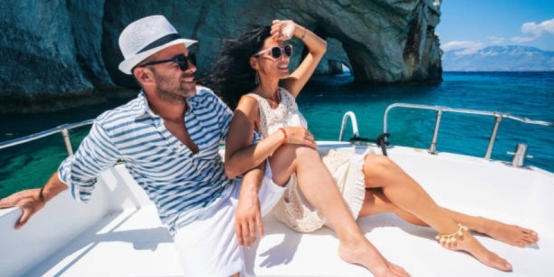
If cultural routes interest you, this UNESCO World Heritage resource lists protected locations in Greece that can be added to your sailing journey.
Weather and Sailing Conditions Favor Easy Travel
Greece has good sailing weather for many months of the year. From April to October, the skies stay clear, and the winds are friendly. That gives more freedom when planning. It also makes sailing possible for those new to it.
The Meltemi wind may be strong in July and August in the Cyclades, but experienced captains know how to handle it. Beginners can stay in the Ionian Sea during that time. These waters are calm and offer smoother trips.
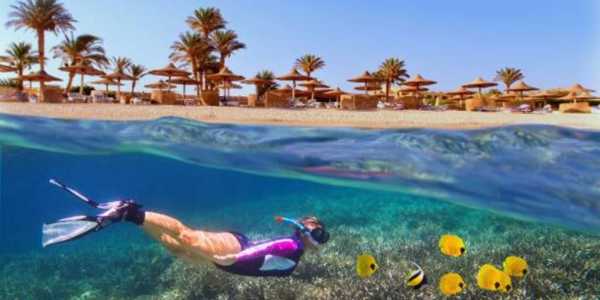
Unlike other parts of the world that may face storms or heavy rain, Greece gives long periods of sunshine. This allows travelers to make more stops and enjoy more activities like swimming, snorkeling, or paddleboarding.
A Boost for Mental Health and Well-Being
Stress and travel do not always go hand in hand, but they can when a trip is rushed or poorly planned. Sailing offers something most travelers need: peaceful time to think and breathe.
According to a 2025 study shared by the MentalHealth.com, calm environments—like quiet waters or natural coastlines—can lower anxiety and boost focus.
Greece’s blue waters, slow-moving clouds, and quiet mornings offer exactly that. Sailing gives the space needed to think, reset, or even talk about things that matter. Some families use sailing trips to reconnect. Others use it to unplug from the digital world.
In a time when most people are glued to screens and always on the move, a week at sea may be the most healing part of any travel plan.
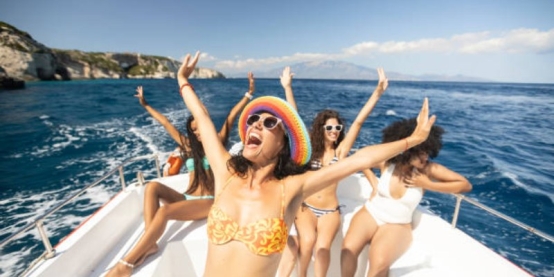
Real Food and Real Connections
Greece is famous for its healthy diet. Fresh fish, olive oil, herbs, fruits, and grains fill local dishes. When sailing, meals are often enjoyed at small seaside tavernas. These are not chain restaurants with printed menus in 10 languages.
Travelers may share food with locals, learn new recipes, or even catch their own dinner. Many say that food eaten during sailing trips tastes better—not because it is fancier, but because it is real and earned after a day in the sun.
There is also less noise from modern life. Less fast food. Fewer delivery apps. More time spent cooking simple things on the boat or enjoying quiet meals under the stars.
Easy Planning Options for All Budgets
People often think sailing is only for the rich. That is not always true. Group charters, early bookings, or shared sailing routes help cut costs. Many families and young couples now choose sailing over hotel stays.
Boats can come with a skipper or be self-sailed for those with licenses. This allows for flexible pricing. A week-long trip around the Cyclades may cost less than a luxury resort stay with the same views.
Travelers with special needs or elderly passengers can also find boats with comfort features and safety options.