ADVERTISEMENT
How to Prepare for a Multi-Day Rock Climbing Trip
Rock climbing takes strength, planning, and serious thinking. A multi-day trip is even harder. It's not camping with extra walking. It tests your mind and body. It’s about staying safe, climbing smart, and not being a burden to your team. Here are the things every serious climber must do before setting out.
Know Where You're Going
Don’t just follow people to climb. Learn about the place. Is the rock face long or short? Are there many pitches? Will you be climbing trad or sport routes?
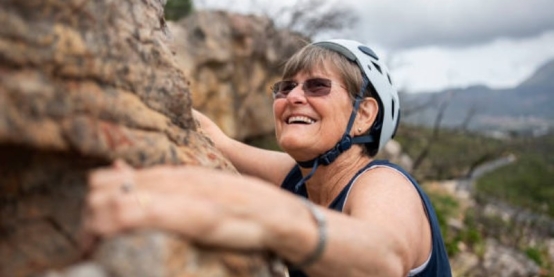
The weather matters too. Some areas get cold fast at night. Others are very dry or wet. Knowing these details helps you pack the right clothes and gear. Check maps, guidebooks, and local climbing forums.
Also, find out if permits are needed. Some areas ask for fees. Some need permission in advance. Respect those rules or you could get fined.
Build Real Strength, Not Show-Off Muscles
Climbing is not about who looks tough. It’s about who moves smart and lasts longer on the rock.
Before your trip, train your fingers, forearms, back, and legs. Go to a climbing gym. Learn how to fall safely. Practice multi-pitch climbs if you’ll be doing that. Know how to belay, rappel, and tie strong knots without needing help.
Cardio also matters. You will carry gear, hike to the rock face, and move for hours. If walking uphill makes you tired now, it will only get worse when you add weight on your back.
Train the right way. Don’t think energy drinks and protein bars will save you. They won’t. And no, fancy gear won’t carry you up that wall either.
Don’t Pack Like You’re Going to War
Some people overpack. They bring two of everything. That’s foolish. Weight slows you down and makes the climb dangerous.
Only bring what you need. This includes:
Climbing harness, helmet, shoes
Ropes (check length and type based on climb)
Quickdraws, carabiners, cams, nuts (if doing trad)
Chalk bag
Belay device
Layers of clothing (light but warm and water-resistant)
Climbing tape and first aid kit
Light food, water, or a water filter
A headlamp with extra batteries
A lightweight sleeping system if you’re not staying in a hut or tent
Also, test your gear before leaving. A broken carabiner or old rope can ruin the entire trip—or worse.
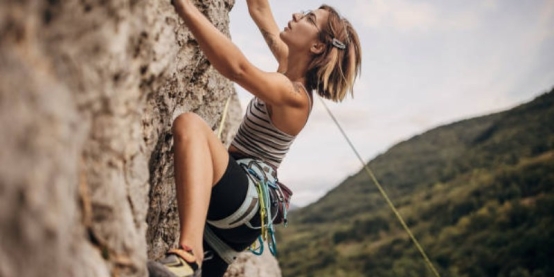
Eat to Climb, Not Just to Stay Full
This is where many people mess up. They eat like they’re on vacation. Climbing burns a lot of energy. But that doesn’t mean you should pack junk.
Avoid greasy food. It slows you down and makes you feel heavy. Pack food that gives long-lasting energy. Go for dried fruit, oats, trail mix, peanut butter, rice cakes, and protein bars.
Make sure you also stay hydrated. Dehydration weakens your grip and makes it harder to think clearly. Don’t say water is too heavy to carry. If you’re too weak to carry water, you’re not ready for this trip. Even mild dehydration can cause tiredness, headaches, and muscle cramps—all of which are dangerous during a climb.
Prepare Your Mind Too
It’s not only the body that climbs. Your brain does too. Climbing high rocks for hours or days can make you tired and scared. You might face cold, wind, pain, or the fear of falling. If your mind is weak, it can shut down, and your body will follow.
Learn how to stay calm. Focus on one move at a time. Don’t panic when something goes wrong. Don’t argue with your team when you’re tired.
Mental fitness is as important as muscle. Real climbers don’t quit because they’re uncomfortable. They stay sharp, smart, and safe—even when things get hard.
Sleep and Recovery Are Part of the Climb
You’re not a robot. Your body needs rest. Don’t plan your days like a superhero. Climb what you can, then sleep well. Bad sleep makes you slow. Slow climbers take risky steps.
Bring a small sleeping mat or bivy sack. Wear clean socks and keep dry. Wet or cold feet are a real problem on multi-day trips. And no, toughing it out doesn’t make you braver. It just makes you foolish.
Let your body rest each night. That way, your hands won’t shake and your legs won’t give up the next day.
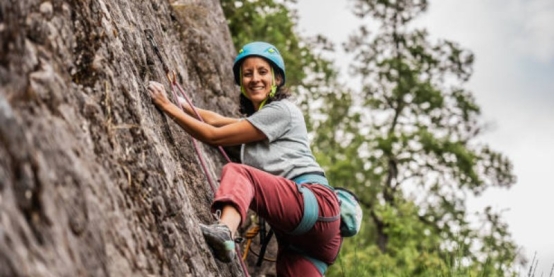
Don’t Be the Weak Link in the Group
This one needs to be said loud. If you join a climbing team, don’t show up unprepared. You’re not a child. The group won’t wait for you to learn how to tie a knot or fix your harness.
Learn your part before the trip. Know your role. Talk to your teammates and set rules for how things will work. Who leads? Who cleans gear? What’s the call if something goes wrong?
If you get injured or lost because you ignored group safety rules, it’s not “bad luck.” It’s your fault.
Take Care of the Land You Use
Climbers must care for nature. Don’t litter. Don’t leave chalk everywhere. Use the bathroom far from the trail and pack out trash.
Respect the wildlife and plants. Don’t trample things for photos.
Rock climbing areas are closing down in some places because of bad behavior. If climbers act like they own the land, access may be lost.