ADVERTISEMENT
Is Scuba Diving Safe for Beginners? Here’s What You Need to Know
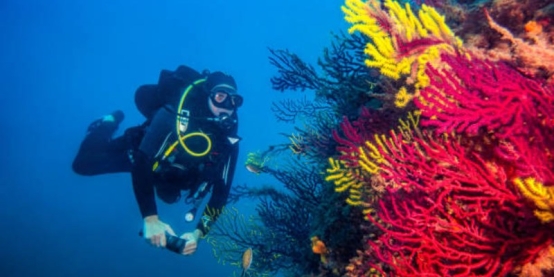
Scuba diving looks fun. It’s quiet under the sea, full of colors and new sights. But not everyone should jump in just because they want to try it. People need to be sure their body and mind are ready. Anyone with breathing problems, heart issues, or fear of deep water needs to stop and ask a doctor before trying this activity. Also, people who cannot swim well or panic under pressure should not risk it.
Why Safety Comes First
Many beginners feel brave until they are 40 feet deep, and then fear kicks in. This kind of panic underwater is not funny. It can cause poor decisions, fast breathing, and danger to both the diver and their team. This is not to scare anyone. It’s just what it is. Safety must come before excitement.
Training Is Not Optional
No one should ever go scuba diving without proper training. A short beach lesson is not enough. A full beginner course from a trusted scuba school is the only smart way in.
These courses teach how to breathe with a tank, how to clear water from your mask, and what to do if a buddy gets in trouble. They also teach how deep to go, how to come up safely, and how to check all the gear.
The best courses are given by certified schools, which follow global safety rules. Many of them are approved by diving groups like PADI or SSI. These schools make sure beginners learn step-by-step. Nobody rushes.
People who skip training or try to self-learn are taking a serious risk. Being underwater is not like being on land. Mistakes there can turn deadly fast.
Gear Failure Is Rare — But Still Serious
Scuba gear is strong, but not perfect. It can fail, though it rarely does when cared for. Regulators, tanks, and masks all need to be checked before each dive. A good dive school will always do this. But divers must learn to check their own gear too.
Even a small problem, like a loose strap or broken hose, becomes dangerous underwater. That’s why training includes how to handle gear failure. Knowing how to share air with a buddy or switch to a second regulator can save lives.
Also, this is not the place to try cheap or fake gear. It’s better to rent or buy from approved sellers only. Some travel insurance companies will even refuse claims if gear was unapproved or carelessly used.
Depth and Pressure Are Not Toys
The deeper someone goes, the more pressure their body feels. At around 10 meters underwater, the pressure is twice what it is on land. This can hurt the ears, lungs, and even cause a problem called nitrogen narcosis, which feels like being drunk.
That is why beginner dives are usually shallow, no more than 12 meters. This depth is enough to see fish and coral, without putting too much stress on the body.
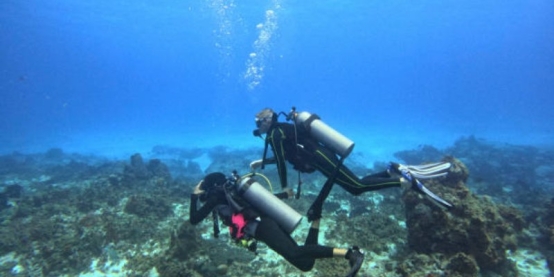
The deeper the dive, the more time the diver needs to come up slowly. A fast rise can cause a painful and dangerous injury called decompression sickness, also called “the bends.” It may need hospital care or even a special pressure chamber to treat.
This is one more reason why proper training is key. Without knowing how to rise slowly and safely, a fun dive can turn into a medical case.
Weather and Water Conditions Change Fast
Beginners often believe that if the sun is out, diving is fine. But underwater safety depends on more than sun and rain. Waves, currents, and visibility matter a lot too.
Strong currents can pull divers off course. Low visibility can cause fear and confusion. Cold water can trigger shock or cramp, especially for those not used to it.
That is why divers rely on weather checks, water reports, and local guides. Smart divers never ignore warnings. And they always cancel a dive if the guide says it’s unsafe — no matter how far they’ve traveled.
The ocean doesn’t care about how far you came. It will not go easy just because someone flew in from another country. Respect is better than regret.
Always Dive with a Partner
Even expert divers follow one key rule: Never dive alone. Beginners must never go into the water without a buddy. Most diving problems are not deadly when help is nearby.
A dive buddy can help fix gear, share air, or calm someone during a panic. They also help keep track of time, depth, and location. Some diving schools even teach hand signs for fast underwater talk.
Many accidents happen when people try to be heroes or act like they know it all. In water, ego is not welcome. What matters is staying alive.

Follow Local Laws and Diving Rules
Every diving spot has its own rules. Some places need a permit. Others may limit how deep beginners can go. These rules are not just for control — they protect the reefs, the animals, and the divers too.
Ignoring rules can bring fines or bans. Worse, it can harm the marine life that divers come to enjoy. Touching coral, chasing fish, or kicking up sand may seem small but cause big damage.
Real Costs to Think About
Scuba diving is not cheap. The training, gear, and trips all add up. But what costs more is emergency care if something goes wrong. A simple mistake can bring a hospital bill or evacuation cost that runs into thousands of dollars.
That is why many travel experts say people should have special dive insurance if they plan to dive, even just once. These plans cover dive-related accidents that regular insurance may not.
Diving should never be done without full understanding of the risks and costs. Fun is not free when safety is at stake.